
Innovating Maritime Sustainability with Wind Integration
The maritime industry is at a crossroads. With increasing pressure to reduce carbon emissions and enhance sustainability, innovative solutions are more crucial than ever. One of the most promising avenues for achieving these goals is the integration of wind energy into maritime operations. This blog post explores how wind integration can transform the maritime sector, making it more sustainable while also improving operational efficiency.

Understanding the Need for Sustainability in Maritime
The maritime industry is responsible for a significant portion of global greenhouse gas emissions. According to the International Maritime Organization (IMO), shipping accounts for approximately 2.5% of global CO2 emissions. As the world moves toward stricter environmental regulations and a greater emphasis on sustainability, the maritime sector must adapt.
Key Challenges
Regulatory Pressure: Governments worldwide are implementing stricter regulations to curb emissions. The IMO has set ambitious targets to reduce greenhouse gas emissions by at least 50% by 2050 compared to 2008 levels.
Rising Fuel Costs: The volatility of fossil fuel prices can significantly impact operational costs for shipping companies. Transitioning to renewable energy sources can help mitigate these risks.
Public Scrutiny: Consumers are increasingly aware of environmental issues and are demanding more sustainable practices from companies, including those in the maritime sector.
The Role of Wind Energy in Maritime Sustainability
Wind energy is one of the most abundant and cleanest forms of renewable energy. By harnessing wind power, the maritime industry can significantly reduce its reliance on fossil fuels. Here are some ways wind energy can be integrated into maritime operations:
1. Wind-Assisted Propulsion
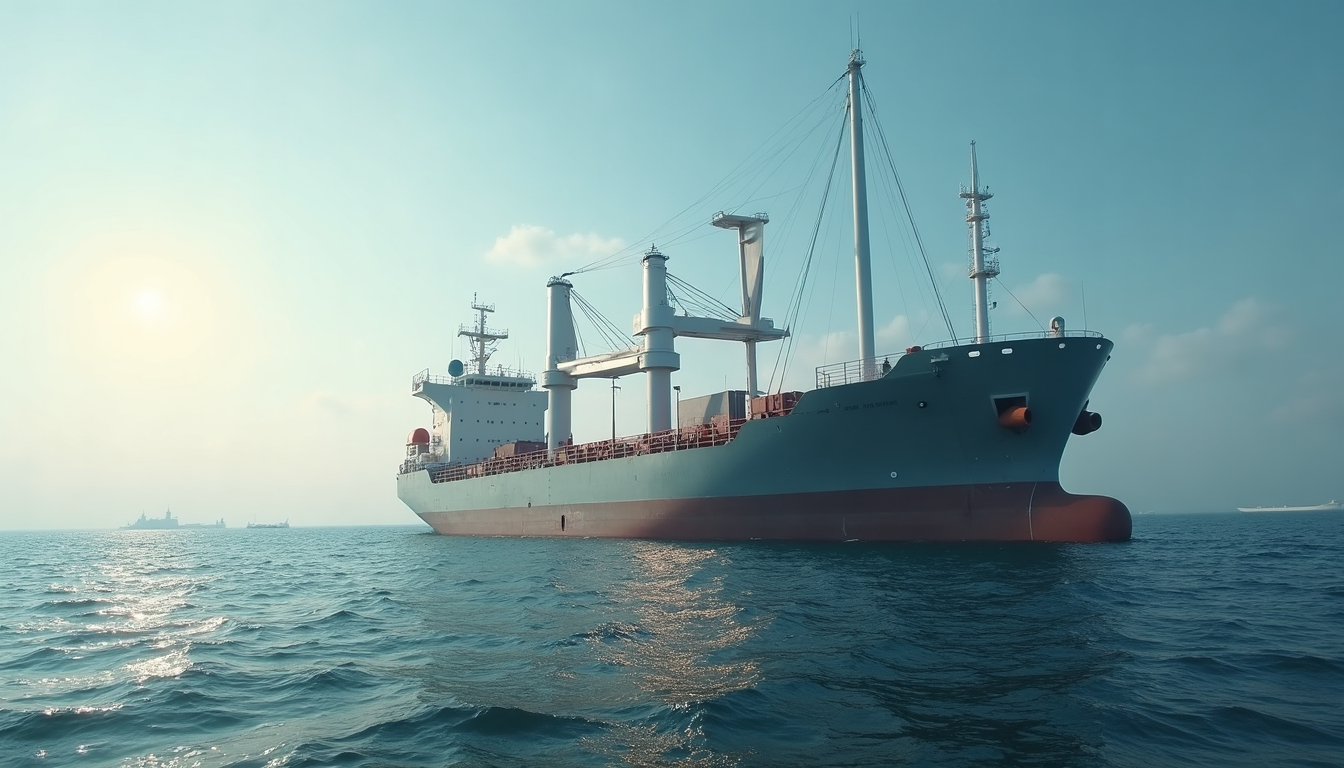
Wind-assisted propulsion systems, such as Flettner rotors and kite sails, can be installed on ships to harness wind energy. These systems can reduce fuel consumption by up to 20%, depending on the vessel's design and operational conditions.
Flettner Rotors: These cylindrical structures rotate to create lift, propelling the ship forward. They are particularly effective in strong winds and can be retrofitted onto existing vessels.
Kite Sails: Large kites can be deployed from a ship to capture wind energy. This technology has been successfully tested on various vessels, demonstrating significant fuel savings.
2. Hybrid Power Systems
Integrating wind energy with traditional power systems can create hybrid solutions that enhance efficiency. For example, ships can use wind energy to supplement their engines, reducing fuel consumption and emissions.
Battery Storage: By combining wind energy with battery storage systems, vessels can store excess energy generated during favorable wind conditions for use during calm periods.
Smart Energy Management: Advanced software can optimize energy use on board, ensuring that wind energy is utilized effectively alongside traditional fuel sources.
3. Shore Power Solutions
Wind energy can also be harnessed at ports to provide shore power for vessels while they are docked. This reduces the need for ships to run their engines while in port, significantly lowering emissions.
Wind Farms at Ports: Installing wind turbines at port facilities can generate clean energy to power ships, reducing their carbon footprint during loading and unloading operations.
Case Studies of Wind Integration in Maritime
Several companies are already leading the way in integrating wind energy into their maritime operations. Here are a few notable examples:
1. Maersk's Wind-Assisted Vessels
Maersk, one of the largest shipping companies in the world, has begun testing wind-assisted propulsion systems on its vessels. The company aims to reduce its carbon emissions by 60% by 2030, and wind energy is a crucial part of this strategy.
2. The Use of Kites by SkySails
SkySails has developed a kite system that can be deployed from ships to harness wind energy. Their technology has been successfully implemented on various vessels, resulting in fuel savings of up to 30%. This innovative approach demonstrates the potential of wind energy in reducing operational costs and emissions.
3. The Windship Project
The Windship Project aims to design and build a new generation of cargo ships that utilize wind energy as their primary propulsion source. By combining traditional sails with modern technology, these vessels promise to be more efficient and environmentally friendly.
Benefits of Wind Integration in Maritime
Integrating wind energy into maritime operations offers numerous benefits:
Reduced Emissions: By utilizing wind energy, ships can significantly lower their carbon footprint, contributing to global sustainability goals.
Cost Savings: Reduced fuel consumption translates to lower operational costs, making shipping more economically viable.
Enhanced Efficiency: Wind-assisted propulsion can improve vessel speed and maneuverability, leading to more efficient operations.
Positive Public Image: Companies that adopt sustainable practices can enhance their reputation and appeal to environmentally conscious consumers.
Challenges and Considerations
While the benefits of wind integration are clear, several challenges must be addressed:
Initial Investment: The cost of retrofitting vessels with wind-assisted propulsion systems can be significant. However, the long-term savings often justify the initial expenditure.
Weather Dependence: Wind energy generation is inherently variable, and ships must be equipped to operate efficiently in varying weather conditions.
Regulatory Compliance: Companies must navigate complex regulations regarding emissions and energy use, which can vary by region.
The Future of Wind Integration in Maritime
The future of maritime sustainability lies in the innovative integration of wind energy. As technology advances, we can expect to see more efficient and effective solutions that harness the power of the wind.
Emerging Technologies
Advanced Materials: The development of lightweight and durable materials for sails and wind turbines will enhance their efficiency and effectiveness.
Artificial Intelligence: AI can optimize the use of wind energy on board, predicting weather patterns and adjusting operations accordingly.
Collaboration: Partnerships between shipping companies, technology providers, and research institutions will drive innovation and accelerate the adoption of wind integration.
Conclusion
The integration of wind energy into maritime operations presents a unique opportunity to enhance sustainability while improving efficiency. As the industry faces increasing pressure to reduce emissions and adapt to changing regulations, wind integration offers a viable path forward. By investing in innovative technologies and embracing renewable energy, the maritime sector can lead the way in creating a more sustainable future.
As we look ahead, it is clear that the winds of change are blowing through the maritime industry. Companies that embrace these changes will not only benefit economically but also contribute to a healthier planet for future generations. The time to act is now—let's set sail toward a sustainable maritime future.
Comments