
Decarbonizing Shipping: The Future of Wind Propulsion
The shipping industry is at a crossroads. As global awareness of climate change intensifies, the pressure to reduce carbon emissions has never been greater. With shipping responsible for approximately 2-3% of global greenhouse gas emissions, the need for sustainable solutions is urgent. One promising avenue is the revival of wind propulsion technology, which could play a crucial role in decarbonizing maritime transport.
Understanding the Current Landscape
The Environmental Impact of Shipping
Shipping is a vital component of global trade, but its environmental impact is significant. The International Maritime Organization (IMO) has set ambitious targets to reduce greenhouse gas emissions from shipping by at least 50% by 2050 compared to 2008 levels. This goal highlights the need for innovative solutions that can help the industry transition to a more sustainable future.
The Role of Wind Propulsion
Wind propulsion is not a new concept; it has been used for centuries in sailing vessels. However, modern advancements in technology have made it a viable option for contemporary shipping. By harnessing wind energy, ships can reduce their reliance on fossil fuels, leading to lower emissions and operational costs.
The Mechanics of Wind Propulsion
Types of Wind Propulsion Technologies
There are several types of wind propulsion technologies currently being explored:
Sails: Traditional sails are being reimagined with modern materials and designs. These can be used in conjunction with engines to provide additional thrust.
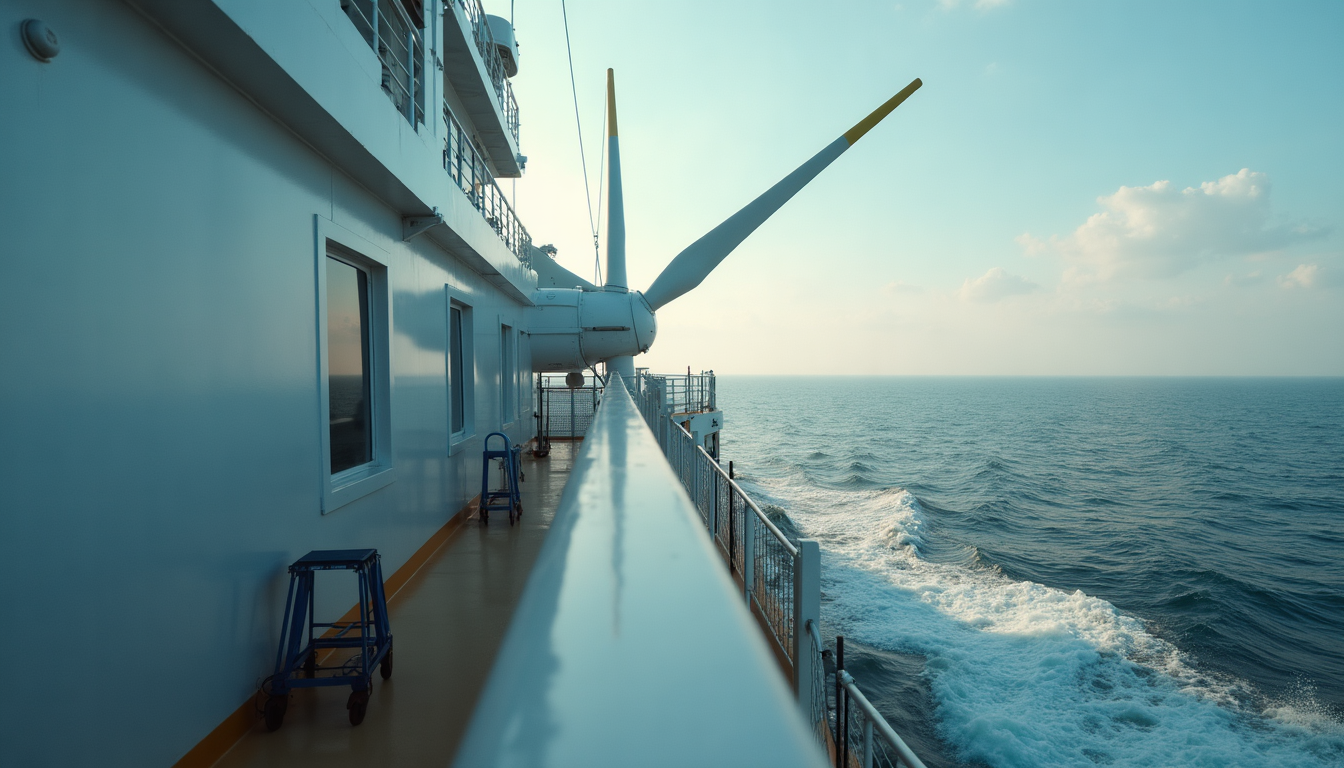
Flettner Rotors: These cylindrical structures rotate to create lift, allowing ships to harness wind energy more effectively.
Kites: Large kites can be deployed at high altitudes to capture stronger winds, providing significant propulsion assistance.
How Wind Propulsion Works
Wind propulsion systems work by converting wind energy into thrust. This can be achieved through various mechanisms, such as:
Direct propulsion: Using sails or kites to directly propel the vessel.
Hybrid systems: Combining wind propulsion with traditional engines to optimize fuel efficiency.
By integrating these technologies, ships can significantly reduce their fuel consumption and emissions.

Case Studies: Successful Implementations
The MV Afros
One of the most notable examples of wind propulsion in action is the MV Afros, a cargo ship that has been retrofitted with Flettner rotors. Since its implementation, the MV Afros has reported a fuel consumption reduction of up to 20%. This case demonstrates the potential for existing vessels to be upgraded with wind technology, making it a practical solution for many shipping companies.
The Ecoliner Project
The Ecoliner project aims to develop a new generation of container ships equipped with advanced sail technology. These vessels are designed to operate with minimal fuel consumption, relying heavily on wind propulsion. Early prototypes have shown promising results, indicating that wind-assisted ships can be both economically viable and environmentally friendly.
Challenges and Considerations
Regulatory Hurdles
While the potential for wind propulsion is significant, regulatory challenges remain. The IMO and other governing bodies must establish clear guidelines and standards for the implementation of wind propulsion technologies. This includes safety regulations, performance metrics, and emissions reporting.
Economic Viability
The initial investment in wind propulsion technology can be substantial. Shipping companies must weigh the costs against potential savings in fuel and emissions. However, as fuel prices continue to rise and environmental regulations tighten, the long-term benefits of wind propulsion may outweigh the initial costs.
Technological Limitations
Wind propulsion is not a one-size-fits-all solution. Factors such as ship design, route, and weather conditions can impact the effectiveness of wind technology. Therefore, a tailored approach is necessary to maximize the benefits of wind propulsion for different types of vessels.
The Future of Wind Propulsion in Shipping
Innovations on the Horizon
The future of wind propulsion in shipping looks promising. Ongoing research and development are focused on enhancing the efficiency and effectiveness of wind technologies. Innovations such as automated sail systems and advanced materials are expected to improve performance and reduce maintenance costs.
Collaboration and Partnerships
Collaboration between shipping companies, technology developers, and regulatory bodies will be crucial for the successful implementation of wind propulsion. By working together, stakeholders can share knowledge, resources, and best practices to accelerate the adoption of sustainable technologies.
Public Awareness and Support
Raising public awareness about the environmental impact of shipping and the benefits of wind propulsion is essential. As consumers become more environmentally conscious, they may favor companies that prioritize sustainability. This shift in consumer behavior can drive demand for greener shipping solutions.
Conclusion
Decarbonizing shipping is a complex challenge, but wind propulsion offers a viable path forward. By harnessing the power of the wind, the shipping industry can reduce its carbon footprint and contribute to a more sustainable future. As technology continues to evolve and regulatory frameworks adapt, wind propulsion could become a cornerstone of maritime transport.
The journey toward a greener shipping industry is just beginning. Stakeholders must embrace innovation, collaboration, and public support to realize the full potential of wind propulsion. Together, we can navigate toward a more sustainable future for shipping.
Comments